A distinctly Ise streetscape
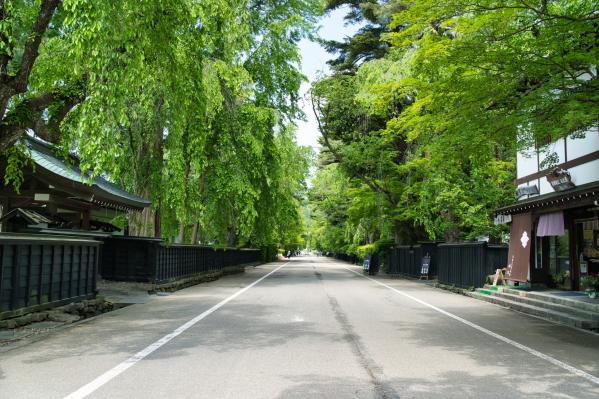
Buildings evoke the Edo and Meiji periods, making the area atmospheric even on a simple stroll.

AI Summary
This is an AI-generated summary. Please check the official information for opening hours, fees, and closed days.
A lively, nostalgic district for strolling and sampling local food, ideally paired with a visit to Ise Jingu.
Near Ise Jingu’s Inner Shrine, Okage Yokocho recreates streetscapes from the Edo and Meiji periods. Try local favorites such as akafuku mochi and Ise udon, browse the shops, and enjoy cultural experiences as you stroll. It’s an easy stop before or after your shrine visit, though the food and shopping-focused area can feel busy if you’re looking for a quieter outing.
Buildings evoke the Edo and Meiji periods, making the area atmospheric even on a simple stroll.
Many shops make it easy to sample akafuku mochi, Ise udon, dango, and other treats in a short visit.
At Okageza, you can explore Japanese mythology, adding more to your visit than just a walk around town.
Visit Ise Jingu’s Inner Shrine first, then enjoy local food and souvenir shopping at Okage Yokocho.
Okage Yokocho is a popular tourist spot in Ise City, Mie Prefecture, and opened in 1993. It is located in the middle of Oharaimachi Street, which stretches out in front of the torii gate of Ise Grand Shrine’s Inner Shrine, and is easily accessible, about a five-minute walk from Uji Bridge.
On its spacious grounds of about 4,000 tsubo, representative architectural styles of the Ise region from the Edo period to the Meiji period have been recreated, with some relocated buildings incorporated as well. Visitors can enjoy an atmosphere that feels as though they have stepped back in time to the townscape of that era. More than 50 restaurants and souvenir shops line the street, and with no fences or other partitions, it is an open space where people can stroll freely.
One of Okage Yokocho’s defining features is its nostalgic, retro scenery. A large chochin lantern at the entrance serves as a landmark, and a large maneki-neko welcomes visitors as well. In addition, the cats known as “signboard cats” and the animal and deity decorations adorning the roof tiles add warmth and charm to the experience.
The food is also a major attraction. Visitors can casually enjoy sweets such as dumplings with black sugar syrup, dishes from long-established Ise beef specialty shops, and local specialties such as Ise udon and Akafuku mochi. At the Akafuku main shop in particular, guests can savor the freshly made signature Akafuku mochi, a delicacy with a history of more than 300 years, making it especially popular with tourists. There are also many light foods suited for strolling and snacking, making it an easy place to stop by before or after a visit to the shrine.
There is also much to see in terms of cultural experiences. At Okageza, the “Hall of Myth,” visitors can learn about the world of Japanese mythology in an interactive way, making it a recommended part of any sightseeing trip. In addition, taiko performances and kamishibai storytelling are held on weekends and holidays, and seasonal festivals and markets are also organized, offering different experiences each time you visit.
The background of Okage Yokocho lies in the history of Ise faith known as “Okage Mairi.” During the Edo period, many people traveled to Ise Grand Shrine, and the local people warmly welcomed those travelers. This feeling of gratitude for “okage” came to be called “Okage Mairi,” and that spirit has been carried on in today’s Okage Yokocho.
Even now, as many worshippers and visitors continue to come, Okage Yokocho preserves the traditions of Ise and the feelings of its people while offering travelers a sense of joy and relaxation. By walking through the historic streets and experiencing local cuisine and culture, it is a place where visitors can once again feel the traditional lifestyle and values of Japan.
When visiting Ise Grand Shrine, this is definitely a spot worth stopping by, and it is a charming place that offers new discoveries no matter how many times you visit.
#Traditional culture experience #Townscape/Bikan Historical Quarter
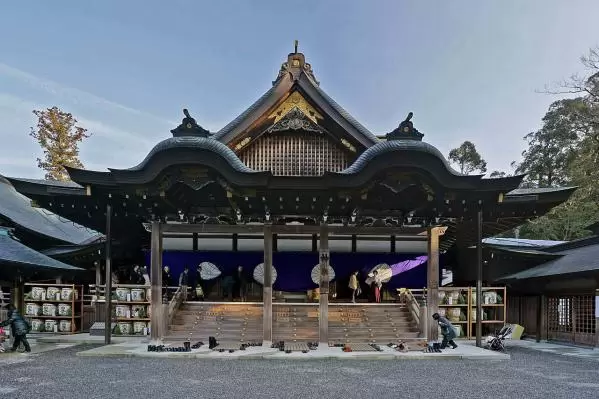
Ise Jingu, known formally as "Jingu," is a special presence among shrines in Japan. It consists of a sacred area centered around the Naiku (Inner Shrine) dedicated t...
Toba Aquarium is one of the largest indoor aquariums in Japan, boasting a total length of about 240 meters and a pathway of approximately 1.5 kilometers. It houses a...
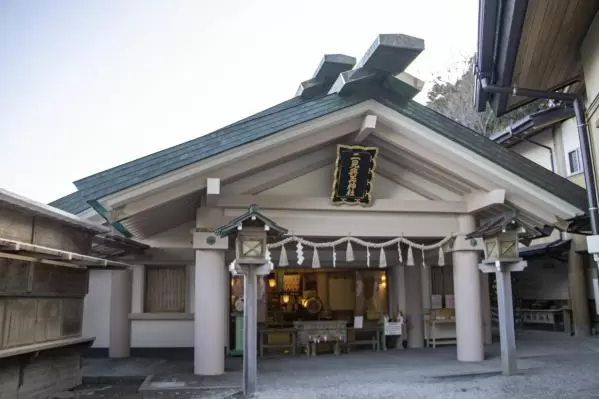
Futami Okitama Shrine is a shrine dedicated to Sarutahiko no Okami, with the iconic夫妻岩 (Meoto Iwa, or Husband and Wife Rocks) towering in the sea near the main bu...
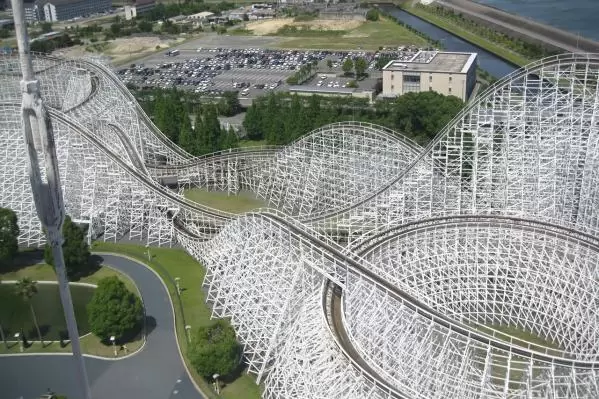
Nagashima Spa Land is a large amusement park located in Nagashima Town, Kuwana City, Mie Prefecture, in the northern part of the prefecture. This attraction park is ...
Nabana no Sato is one of Japan's largest theme parks dedicated to flowers, greenery, and food. In the large greenhouse "Begonia Garden," hundreds of flower species b...
Shima Spain Village is a theme park that recreates the streets of passionate Spain. It offers a variety of attractions, from thrilling roller coasters to rides suita...
Saruta Hiko Shrine is a shrine dedicated to Saruta Hiko no Okami, the deity of "road-opening" in Japanese mythology. Saruta Hiko no Okami guided Ninigi no Mikoto to ...
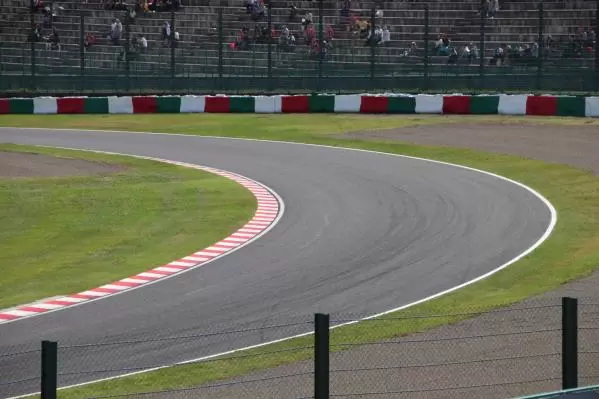
Suzuka Circuit is a mobility-themed park set in hilly terrain, and it is Japan's first full-fledged international circuit completed in 1962. The 5,807m-long course i...