Nasu Flower World
Nasu Flower World Movies


Basic Information
- Spot Name
- Nasu Flower World
- Location
- 〒329-3200 5341-1 Toyohara Hei, Nasu-machi, Nasu-gun, Tochigi Prefecture, Japan
- Access
- About 60 minutes by car from the west exit of JR Nasushiobara Station, or about 50 minutes from the west exit of JR Kuroiso Station. From the Tohoku Expressway Nasu IC, proceed north on Prefectural Route 17, turn right at the Hiroyachi intersection, and continue via Prefectural Route 68 for about 40 minutes. Alternatively, it takes about 24 minutes from Nasu Kogen Service Area via National Route 4 and Prefectural Route 305.
- Parking
- 300 cars
- Business Hours
- 9:00 AM to 5:00 PM
From late April to late October. - Fees
- Adults: 500 to 1,000 yen; Junior high and high school students: 300 yen; Elementary school students: 200 yen.
- Contact Information
- Phone Number:0287-77-0400
- Official Website
Map
Detailed Information
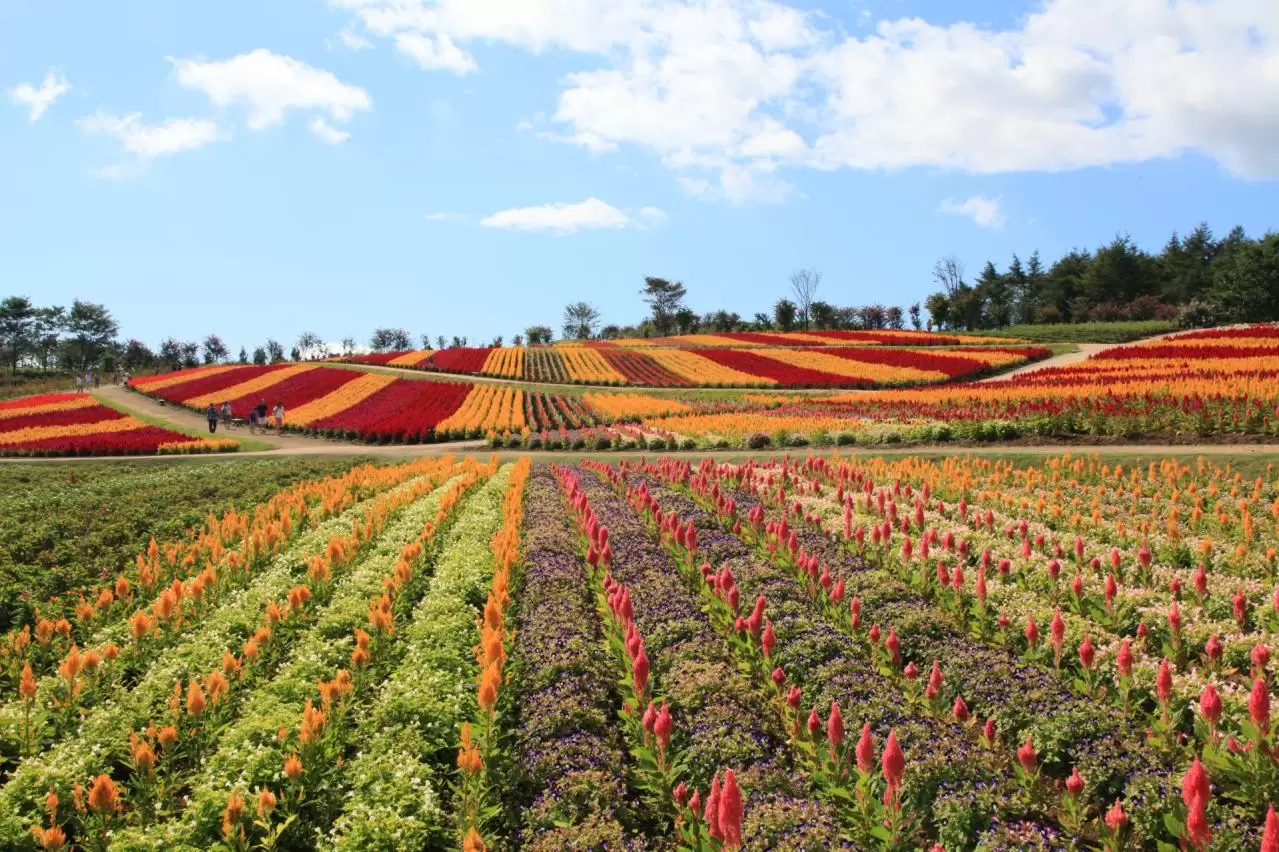
Nasu Flower World is a vast flower park spread across the Nasu Highlands in Nasu Town, Nasu District, Tochigi Prefecture. Colorful flower fields are painted across the highland plains, and the park is affectionately known as the “Nasu flower geoglyph,” likening the blossoms to “paint” and the land of Nasu to a “canvas.” On clear days, the magnificent Nasu Mountain Range rises in the background, making the colors of the flowers stand out even more and creating a breathtaking scene that brings visitors a sense of bliss and wonder.
Location and Atmosphere
Located at an altitude of about 600 meters, the park enjoys a favorable highland environment with relatively cool summers and beautiful autumn foliage. Gentle slopes and small hills are scattered throughout the grounds, and with every step the view opens up, allowing visitors to enjoy the contrast between the gradients of the flower fields and the mountain ridges. There are many photogenic spots, and the scenery created by seasonal flowers and nature can be fully appreciated.
Seasonal Flower Calendar (Approximate)
At Nasu Flower World, the flowers are replanted each season, so visitors can enjoy a different atmosphere every time they come. The approximate best viewing periods are as follows:
May: tulips, anemones, poppies, nemophila
June: lupines, poppies, roses, poppies
July–August: lilies, salvias, hemerocallis (daylilies), cleome, roses (Nikkōkisuge may also be seen)
September: marigolds, celosia, salvias
October: cosmos
The types of flowers and their peak seasons vary depending on the weather and temperature, but no matter when you visit, vibrant blossoms will be in full display. Combined with the distant Nasu Mountains, they create a spectacular view like a “flower geoglyph.”
Highlights by Flower
Tulips (Spring)
A wide variety of tulips in red, yellow, pink, white, and more are planted in neat rows, and their appearance glowing in the morning light is truly impressive. Even in Nasu’s cool climate, they grow vigorously, and the vast fields spread out like a palette of colors.
Anemones (Spring)
The name comes from the Greek word for “flower of the wind,” and their petals swaying in the breeze are delicate and charming. The flower fields, woven together with shades of purple, blue, red, and white, have a painterly elegance.
Poppies (Early Summer)
Their thin petals flutter in the wind, and the red, orange, pink, and white blossoms vividly color the ground. The mass of poppies swaying in the highland breeze is as beautiful as a scene from a movie.
Lupines (Early Summer)
Their cone-shaped flower spikes line up in colorful rows, creating a dreamy landscape like “candles of color.” When planted in masses, they are grand and highly impressive.
Lilies (Summer)
Their many colors—white, pink, orange, and yellow—along with their fragrance are especially appealing, brightening the summer flower fields. In the evening, their scent becomes even stronger, blending with the cool highland air to create a soothing atmosphere.
Salvias (Summer to Early Autumn)
Vivid crimson and blue flowers spread across the fields, leaving a strong impression even from afar. They are popular as flowers symbolizing burning passion.
Marigolds and Celosia (Autumn)
Their brilliant orange and golden hues, along with feathery textures, shine in the autumn sunlight and create a warm, inviting landscape. Visiting during the seasonal transition allows you to enjoy the richly colored scenery as autumn deepens.
Cosmos (Late Autumn)
Their graceful forms swaying in the highland breeze are charming, and the pale pink and white blossoms paint a soft “autumn canvas.”
Tips for Walking and Enjoying the Park
Make use of the terrain: Looking down over the flower fields from hilltops or along curved paths makes the bands of flowers and layers of color stand out even more.
Take advantage of the weather: On sunny days, the contrast with the Nasu Mountains becomes especially vivid, while in the morning and evening, slanting light shines through the petals and creates a magical expression.
Clothing and footwear: Because the park is at a high altitude and breezy, it is reassuring to bring a light outer layer even in summer. Since the grounds are large and include slopes, comfortable walking shoes are recommended.
Enjoying the off-season: Even after the flowers have passed, from autumn through winter, visitors can still enjoy the clear air and scenery unique to the Nasu Highlands. Depending on the season, there may also be activity areas where bonfires or wood stoves can be enjoyed (please check in advance for availability).
Nasu Flower World is a spot where visitors can enjoy a “flower geoglyph” drawn within the magnificent natural setting of the Nasu Highlands. From spring tulips and anemones, early-summer poppies and lupines, summer lilies and salvias, autumn marigolds and celosia, to late-autumn cosmos, the changing colors of each season captivate all who visit. With the Nasu Mountains stretching out behind it, this is a scenic destination unique to Nasu, where you can stroll leisurely over the hills and feel the colorful gradients of the flowers and the refreshing highland air with your whole body.
Tochigi Tourist Attractions
View List
Kinugawa River Boat Ride
The Kinu River's line descent, a masterpiece of natural gorge beauty, is a signature attraction of Kinu River tourism. You can board a shared boat and enjoy the uniq...

Ashikaga Flower Park
Ashikaga Flower Park is a paradise of flowers and lights that has won first place in the national illumination event category. Throughout the park, flowers bloom in ...

Tobu World Square
Tobu World Square is a theme park with the theme of "Preserving World Heritage and Architectural Culture," featuring meticulously recreated replicas of famous sites ...

Lake Chuzenji
Lake Chuzenji is a representative lake of the beautiful scenery of Oku-Nikko, boasting a maximum depth of 163 meters and a circumference of about 25 km, making it on...

EDO WONDERLAND
EDO WONDERLAND Nikko Edo Village is a cultural park where you can experience the culture of the Edo period firsthand. The expansive grounds feature meticulously recr...

Kinugawa Onsen
Kinugawa Onsen is a historic hot spring that was discovered during the Edo period and was only accessible to monks and feudal lords traveling to Nikko. It became wid...

Oya History Museum
The Otani Museum is a place where you can learn about the history of the extraction of Otani stone. The exhibition hall showcases tools and mining methods from the h...

Nikko Toshogu Shrine
Nikkō Tōshōgū is a UNESCO World Heritage Site that represents Japan, built in the early 17th century to enshrine Tokugawa Ieyasu. This shrine was registered as a Wor...